
Smart Homes vs. Human Oversight
December 22, 2025
Diane Pisani
Smart homes are everywhere. Smart thermostats. Smart leak detectors. Smart locks. Smart cameras.
For many homeowners, especially seasonal residents, this technology creates a false sense of confidence. The belief is simple: “My home is smart. It will alert me if something goes wrong.”
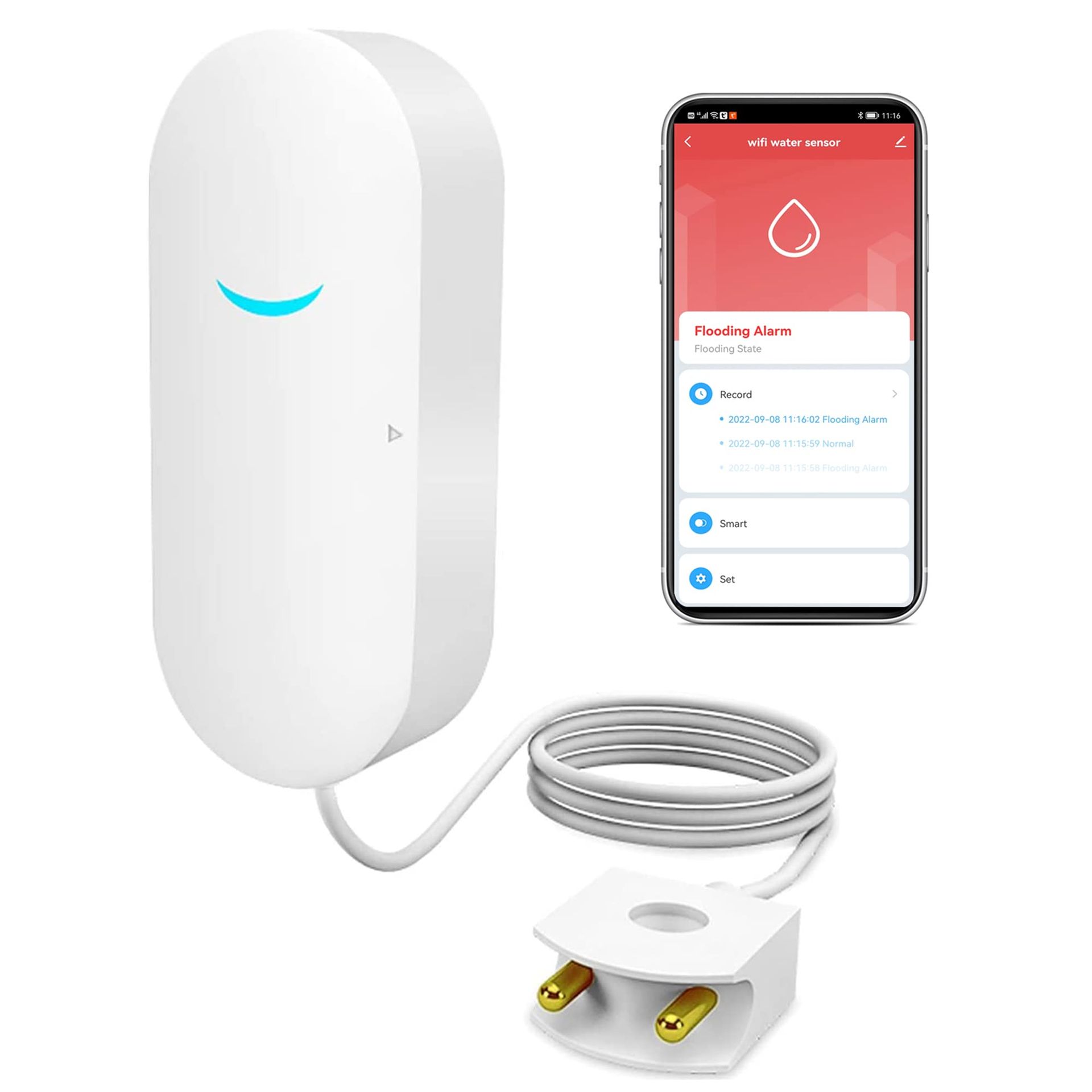
But here’s the reality: smart technology does not replace human oversight, and in unoccupied homes, it often fails at the worst possible time.
Smart Systems Depend on Power, Internet, and Assumptions
Every smart device depends on three fragile links:
*Electrical power
*Internet connectivity
*Proper configuration and maintenance
When any one of those fails, the system goes silent.
Power outages after storms, router failures, expired batteries, disconnected Wi-Fi, or software updates can all disable smart monitoring without the homeowner realizing it, especially when they are hundreds or thousands of miles away.
A thermostat that goes offline does not send alerts.
A leak sensor without Wi-Fi does not notify anyone.
A camera without power does not document conditions as they unfold.
Alerts Without Action Still Lead to Damage
Even when alerts do come through, they raise another issue: who is physically responding?
A notification that humidity is rising or water is detected does not stop the situation. Someone must:
Enter the home
Verify the issue
Take appropriate next steps
Coordinate service or emergency response
In many cases, homeowners receive alerts while traveling, sleeping, or unable to respond promptly. Minutes turn into hours. Hours turn into days. Damage continues.
Technology can notify, but it cannot intervene.
What Smart Homes Cannot See
Smart devices are limited by where they are installed and what they are programmed to measure. They do not notice:
Subtle roof leaks after heavy rain
Early signs of microbial growth
HVAC systems struggling but not yet failed
Odors indicating moisture or electrical issues
Storm debris impacting exterior areas
Doors, windows, or screens compromised by wind
These are visual, sensory, and contextual conditions, things only a trained human presence can identify.
Why Professional Home Watch Still Matters
Professional Home Watch is not anti-technology. In fact, technology works best when paired with consistent, documented visits.
A Certified Home Watch Reporter provides:
Regular physical presence
Visual observation of conditions
Confirmation that systems are functioning as intended
Early discovery before alerts ever trigger
Clear documentation of observed conditions
Home Watch turns awareness into action. It bridges the gap between notification and resolution.
The Takeaway for Homeowners
Smart homes are helpful tools, but they are not guardians.
Unoccupied homes require more than apps and alerts. They require eyes on the property, consistent oversight, and accountability. As homes become more automated, the role of professional Home Watch becomes even more important, not less.
Technology informs.
People take action.



